
Brenda Fricker, ‘My Left Foot’ Oscar Winner, Dies at 81
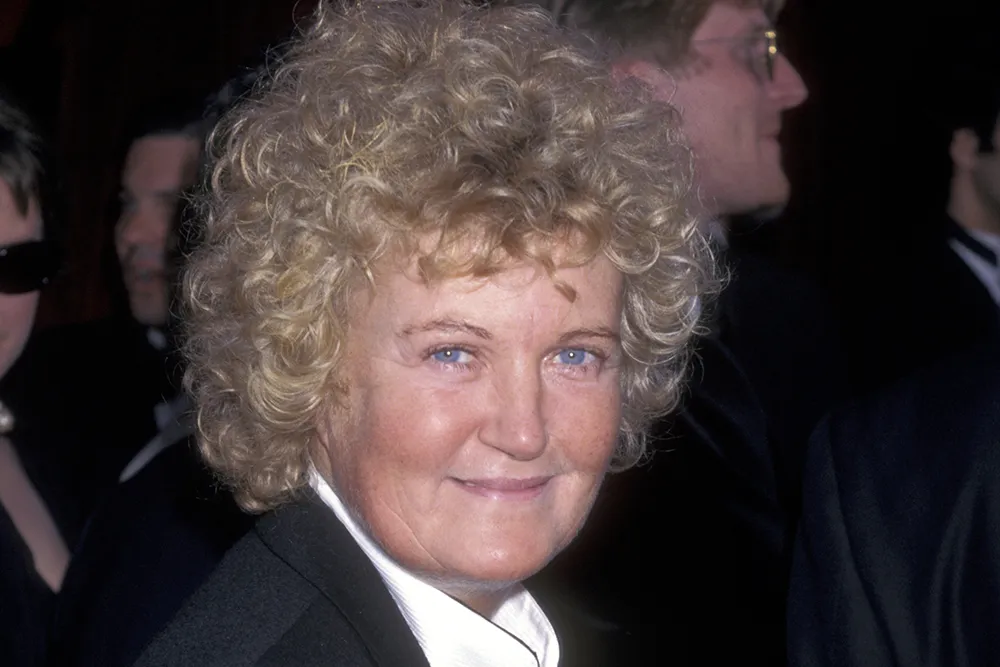
Brenda Fricker has died at 81.
For many film fans, that headline lands hard.
She was one of those actors who never needed to shout. She could hold a scene with a glance, a pause, or a tired smile that felt lived-in. That kind of presence doesn’t age out. It stays with you.
Fricker died in Dublin on Thursday, according to her agent, Phil Belfield. He told the BBC that the world was “lesser for the lack of her.” That sounds like a tidy quote, sure. But it also feels true.
Why her death matters
Fricker wasn’t just an Oscar winner. She was the first Irish actress to win an Academy Award. That matters on its own.
She won Best Supporting Actress for My Left Foot in 1990, playing the mother of Christy Brown. The role could have been written as background support. Instead, she made Bridget Brown feel stubborn, exhausted, loving, and a little fierce. Real. Not polished. Better for it.
There’s a reason people still remember her. And not only because of the trophy shelf.
She also reached audiences far beyond art-house cinema. If you grew up with Home Alone 2: Lost in New York, you likely know her as the Pigeon Lady. Oddly enough, that role did something important. It turned a respected character actor into a holiday-season memory for millions.
That double life is rare. Awards on one side. Pop culture on the other. Not many actors get both.
The quote that still travels
At the Oscars, Fricker dedicated her award to the woman she played.
“Anybody who gives birth 22 times deserves one of these,” she said.
That line has lasted for decades. It’s funny. It’s warm. It also says a lot about her style as a performer. She never played sentiment as syrup. She let it sit a bit crooked.
Which brings up something I probably should have mentioned earlier—Fricker’s best work often had that same crooked grace. She could be compassionate without becoming soft. Tough without turning cold. That balance is harder than it looks.
A career built the slow way
Fricker was born in Dublin on February 17, 1945. Her father was a journalist for the Irish Times. Before acting, she worked there too, as an assistant to the art editor. That detail always amuses me a little. She started near the page, then moved to the screen.
Her first film role came in 1964, in Of Human Bondage, though it was uncredited. From there, she spent years doing what many actors do and almost nobody talks about enough: small parts, soap operas, short arcs, patient work.
She appeared in shows like Coronation Street and Tolka Row, then kept building. No magic shortcut. No overnight fame story. Just years of showing up.
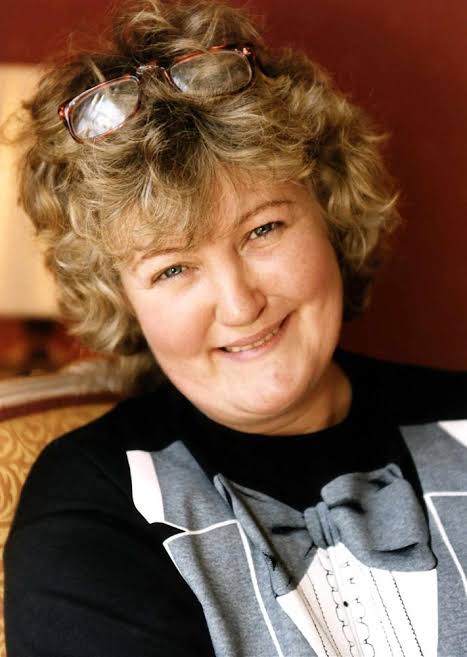
By 1986, she was in the original cast of Casualty as Nurse Megan Roach. That role gave her broader TV recognition. Megan was practical, direct, and central to the show’s early identity. Fricker left after 65 episodes, then returned for guest appearances later. In 2010, the character’s final arc ended in tragedy.
That kind of return says something. Producers don’t bring back a character unless the actor left a mark.
Comparing the key milestones
| Milestone | Year | What it meant | Notable limitation / context |
|---|---|---|---|
| First screen appearance | 1964 | Early start in film work | Uncredited, so recognition came much later |
| Breakthrough TV role in Casualty | 1986 | Wider public visibility in the UK | Mostly seen by TV audiences rather than global film viewers |
| Oscar win for My Left Foot | 1990 | Historic Irish Academy Award victory | Her character was not the film’s central figure, so some viewers underestimated the performance |
| Home Alone 2 role | 1992 | Mass audience fame as the Pigeon Lady | The role was brief, so some fans only knew the character, not the actor |
| Later Irish and British projects | 2000s–2020s | Continued respect in prestige roles | Many titles had smaller releases and less international attention |
My Left Foot changed the scale of her career
Before My Left Foot, Fricker was already a working actor. After it, she became a reference point.
The film itself was a major event. Directed by Jim Sheridan and starring Daniel Day-Lewis as Christy Brown, it brought Irish disability history into the global awards conversation. Fricker played Bridget Fagan Brown, the mother holding a huge, strained family together. Nine of her 22 children survived infancy. That detail alone tells you the emotional temperature of the role.
Fricker didn’t play the mother like a saint. Good. Saints are boring on screen. She made her feel pressured, practical, worn down, and still deeply protective.
As a viewer, you feel the labor of that household. You feel the silence after the noise. The scene work has weight because she gives it weight. Simple as that.
The Academy recognized that with an Oscar win at the 62nd Academy Awards. That made her the first Irish actress to take home an Oscar, a fact often repeated for good reason. It opened doors in the public imagination, at least a little.
Then came the pigeon lady
And then, oddly enough, a Christmas movie.
In Home Alone 2: Lost in New York, Fricker played the Pigeon Lady, a character who looks frightening at first and becomes deeply moving once the story slows down. Kids saw a strange woman in Central Park. Adults saw loneliness, shame, and kindness mixed together.
That part? Painful. In a good way.
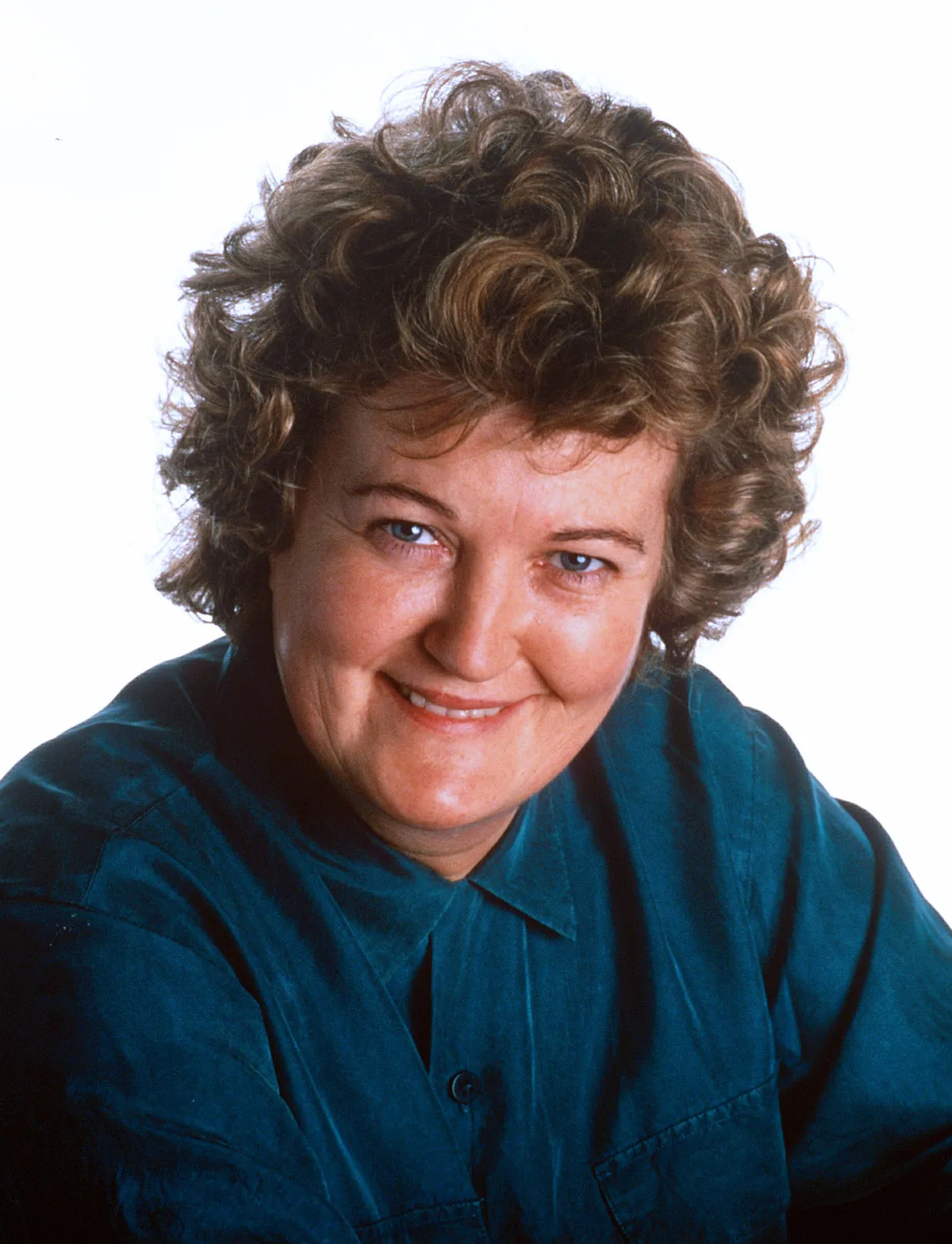
I’ve always thought this role explains why people kept loving her. She could make a character memorable without making them loud. There’s a difference. Huge difference.
What came after the Oscar
Fricker kept working, especially in Irish and British projects. She appeared in The Field, So I Married an Axe Murderer, Angels in the Outfield, A Time to Kill, Veronica Guerin, Inside I’m Dancing, Albert Nobbs, Cloudburst, and others.
Some of those roles were big. Some were brief. That didn’t seem to bother her.
She also worked on stage with major companies, including the Royal National Theatre, the Royal Court Theatre, and the Geffen Playhouse. Stage work can be less glamorous, but it often keeps an actor sharp. Fricker had that kind of training in her bones.
The Irish Film & Television Academy nominated her three times later in her career. In 2020, the Irish Times ranked her No. 26 among the greatest Irish film actors of all time. That list isn’t a love letter. It’s a marker of how seriously she was regarded at home.
A life with edges, not polish
Fricker retired from screen acting around 2015, though she later returned for a few projects. She appeared in Cam Boy in 2021, Holding in 2022, The Catch in 2023, and lent her voice to The Miracle Club.
That late-career stretch matters. It reminds you she didn’t vanish all at once. She eased out, then popped back in. That’s more human, honestly.
She was previously married to director Barry Davis from 1979 to 1988. He died in 1990. Fricker remained close to him after the marriage ended.
A small aside, maybe, but worth saying: her obituary isn’t only about awards and titles. It’s also about durability. About a working actor who stayed interesting for decades. Those are usually the people who shape a screen culture the most, even if they don’t always get the loudest fanfare.
What people will remember
Phil Belfield’s tribute was simple and affectionate. “We will never see her like again,” he said.
That’s the kind of line people use in obituaries, yes. Yet with Fricker, it fits. She had a plainspoken quality that felt rare on film. No fuss. No showiness. Just nerve and feeling.
Maybe that’s why the Oscar speech still lands. Maybe that’s why the Pigeon Lady still pops up every December. Maybe that’s why her name still carries weight in Irish cinema circles.
Brenda Fricker dies at 81, but her best work doesn’t feel distant. It still feels close. A little rough around the edges. Very human.
And that, friends, is the thing audiences remember longest.
