
Why Was Ryan Clark Fired? What We Know About ESPN’s Shock NFL Live Layoff
If you’re asking whether Ryan Clark was fired for doing something wrong, the honest answer is: we don’t have proof of that.
What we do have points somewhere less dramatic, though still pretty brutal. Reports suggest Clark’s exit was tied to broader ESPN cost cuts and restructuring, not a single explosive offense. That’s a big difference. A lot of headlines blur it.
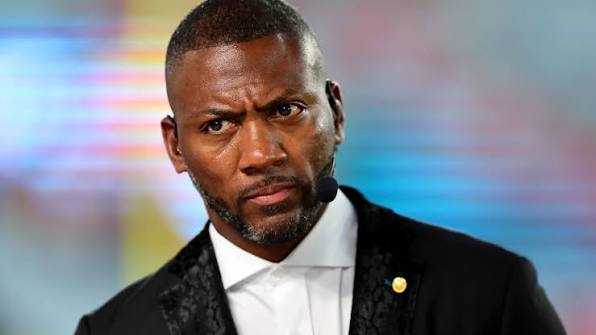
And yeah, that distinction matters.
In media, “fired” often gets used as a catch-all. But there’s a real gap between being terminated for misconduct and being laid off during a company reshuffle. From the reporting available, this looks much closer to the second category.
The short version
Ryan Clark was reportedly let go as part of wider layoffs connected to ESPN’s business changes and Disney’s ongoing cost control. ESPN has not publicly said he was dismissed over performance, misconduct, or one specific incident.
That’s the cleanest answer.
Not the most satisfying one, maybe. But the cleanest.
A reference article making the rounds does one thing well: it captures the shock factor and notes the live-show timing. Fair enough. Where it falls short is context. It hints at causes, then leaves readers stuck between rumor and fact. Folks searching this story usually want a firmer distinction.
Was Ryan Clark “fired” or laid off?
Words matter here. They really do.
Based on published reports, including claims attributed to outlets such as The Athletic and Front Office Sports, Clark appears to have been part of a staffing reduction tied to ESPN and NFL Network integration efforts. Disney has also been in a long run of cost-cutting since 2023, with several rounds of layoffs across entertainment and sports divisions reported by major business outlets.
So, if you’re being strict, “laid off” may be more accurate than “fired.”
That said—public conversation won’t be strict. It rarely is.
Why people are suspicious anyway
Part of the confusion comes from timing. Clark was reportedly informed while appearing on NFL Live, then did not return to finish the show. That detail makes the whole thing feel personal, even if the business reason wasn’t.
I’ve worked around breaking-news desks before, and this part rang painfully true: sometimes managers rush bad-news conversations because they fear a leak more than they fear looking clumsy. It doesn’t make it okay. It just makes it familiar.
Ms. Dana Hill, a media recruiter quoted by local radio in Atlanta last year, put it bluntly: “When a company thinks the news is about to leak, dignity often loses the race.” That line stuck with me. It fits here, maybe too well.
The Peter Schrager incident: relevant, but not proven
A lot of people keep circling back to Clark’s on-air clash with Peter Schrager.
That’s understandable. The exchange got attention. Clark referred to Schrager as a “non-player,” the moment got tense, and Clark later apologized. Reports have also claimed ESPN executives were unhappy about it.
Still, there’s a leap some readers are making that isn’t supported by confirmed evidence.
Here’s the practical read: the Schrager episode may have affected how executives viewed Clark internally. It may have weakened his standing. But no official statement has confirmed it caused the layoff. That’s a different claim.
And honestly, corporate decisions are often messy. Not one reason. Three reasons. Sometimes five.
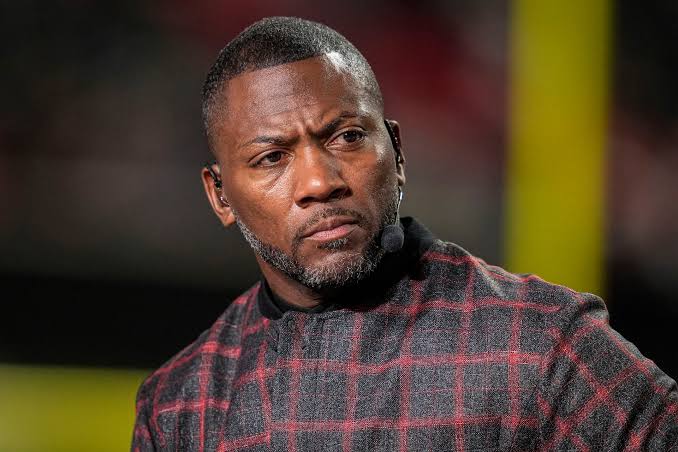
What likely mattered most
Below is the simplest way to sort the knowns from the guesses.
| Factor | What reports suggest | Likelihood | Constraint or drawback in this theory | Rating |
|---|---|---|---|---|
| Company restructuring | ESPN and NFL Network operations are moving closer together | High | ESPN hasn’t released a full public explanation naming Clark specifically | 9/10 |
| Disney cost-cutting | Parent company has been reducing expenses across divisions | High | Cost cuts explain the environment, not always the exact person chosen | 8.5/10 |
| Schrager clash | Internal frustration reportedly followed the on-air exchange | Medium | No direct confirmation it triggered the decision | 6/10 |
| Salary concerns | Clark reportedly had a high-value deal, said to be over $2 million yearly | Medium-High | Contract cost matters, but ESPN may still owe guaranteed money | 7.5/10 |
| Performance issues | No solid public evidence of poor ratings or weak analysis | Low | Speculation more than reporting | 3/10 |
That salary point is worth pausing on.
If the reporting about a contract north of $2 million annually is accurate, Clark would naturally become part of any spreadsheet-driven review. Cold? Very. Unreal? Not at all. High-profile analysts are expensive, and sports TV isn’t exactly immune to accounting math.
What the reference piece got right — and what it missed
The source article correctly avoided claiming Clark was fired for one proven offense. Good. That restraint matters.
But it also stayed a bit too safe. It didn’t really explain how media layoffs work, and it didn’t help readers weigh the competing explanations. That’s where the story lives, buds. Not in the headline shock, but in the gray area afterward.
Which brings up something I probably should have mentioned earlier—fans often assume popular TV faces are protected because they’re visible. Usually, they aren’t. Sometimes they’re more exposed because their pay is easier to justify on paper, or cut on paper. Ugly math.
A viewer reaction that feels real
One longtime NFL Live viewer, Marcus J., wrote on X that the whole thing felt “less like discipline and more like corporate panic.” I think that captures the public mood better than most polished statements ever could.
Not proof, of course.
But a fair read of the vibe? Absolutely.
So, why was Ryan Clark fired?
Best answer: he probably wasn’t “fired” in the classic scandal sense.
He appears to have been laid off during a broader restructuring at ESPN, with three possible factors hanging around the edges: budget pressure, integration changes, and internal friction from past on-air moments. The live-show notification made it look harsher. Maybe it was harsher. But harsh doesn’t always mean personal.
One small caution, though. ESPN has not fully detailed its reasoning. So anyone claiming total certainty is selling you confidence they don’t really own.
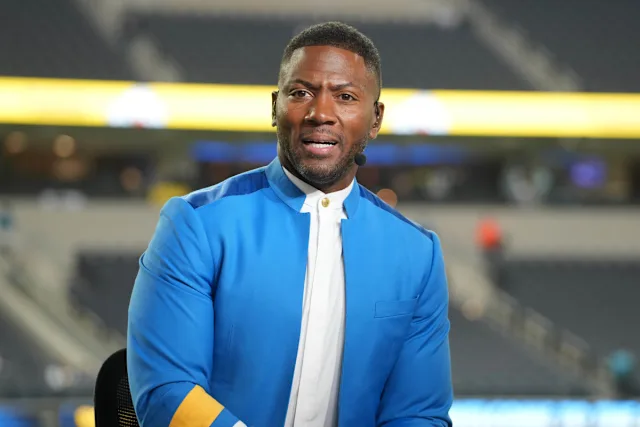
What to watch next
If Clark speaks publicly in detail, that could change the picture fast.
Also watch whether more ESPN and NFL Network names are cut or reassigned. If that happens, the restructuring explanation gets stronger. If not, people will keep revisiting the Schrager angle. Fair or not, that’s how these stories go.
For now, mates, the strongest reading is simple: this looks like a business decision handled in a very messy way.
