
Justin Baldoni and Emily Baldoni break their silence — and the message is bigger than one celebrity dispute
Two years is a long time to stay mostly quiet when your name is being dragged through headlines, court filings, comment sections, and group chats. Then again, noise can make people freeze. Or pray. Or both.
That’s pretty much where Justin Baldoni and his wife, Emily Baldoni, say they’ve been.
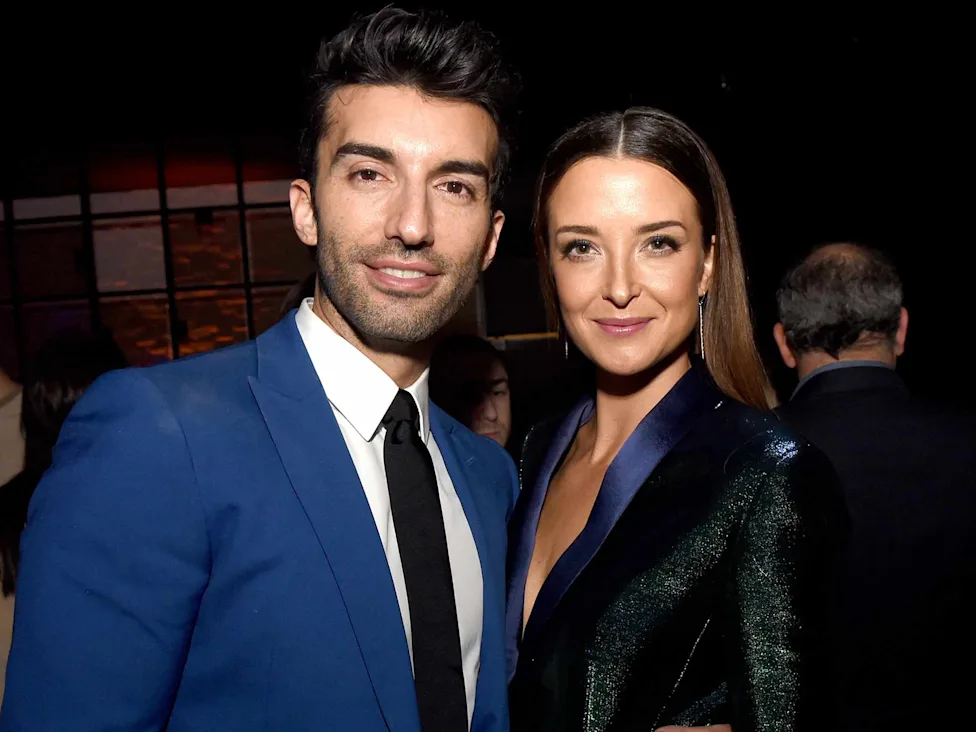
In a public video, the couple finally addressed the emotional fallout of the legal fight tied to It Ends With Us and the broader dispute involving Blake Lively. Their words were careful. Maybe even restrained. But not casual. Emily used “injustice” and “pain.” Justin used “healing.” Both described the past two years as deeply traumatic.
And that matters.
Not just because celebrity legal stories attract attention. Folks click those anyway. It matters because this was never only about who filed what. It also became a battle over public belief, social media framing, workplace conduct, and who gets to define truth first.
What Justin and Emily actually said
Justin said he and Emily had stayed quiet “for the better part of the last two years,” not because they had nothing to say, but because speaking earlier “didn’t feel like the right time.” He described repeated moments when they almost responded publicly, then held back.
Emily was more direct in emotional tone. She said gratitude had helped them survive, but gratitude did not erase “the injustice and the pain.” She also said the couple had lived through “a lot of trauma.”
That wording wasn’t random.
Calling something “painful” is one thing. Calling it “trauma” suggests a longer aftershock. A mess that doesn’t end when a filing ends. Sleep gets weird. Trust gets weird. The simplest text message can feel loaded. I’ve covered enough public scandal cycles to say this with confidence: legal closure and emotional closure are rarely twins.
Justin also said, “healing isn’t linear.” That line has become common in therapy-speak, sure. But here it also worked as a signal. He wasn’t claiming a clean victory lap. He was saying they’re still in it.
The legal backdrop, without the fog
The dispute grew out of the 2024 release cycle around It Ends With Us, the film adaptation of Colleen Hoover’s bestselling novel. Blake Lively sued Baldoni and others, alleging sexual harassment and retaliation. Baldoni denied the claims.
Later, Baldoni filed a major countersuit against Lively, Ryan Reynolds, publicist Leslie Sloane, and Sloane’s PR firm. That countersuit alleged defamation and breach of contract. It was later dismissed.
Then came a settlement phase. According to public reporting and court-related statements, many of Lively’s claims had already been dismissed or narrowed before the matter resolved. Baldoni’s side framed the settlement as a clear legal win. Lively’s lawyers framed the outcome differently, saying it warned against using litigation as intimidation and highlighted consequences for such tactics.
That split is important. Same ending. Very different victory speeches.
Quick comparison of the main moving parts
| Entity / Side | Role in dispute | Public position | Constraint or drawback | Reported outcome / status | Overall read |
|---|---|---|---|---|---|
| Justin Baldoni | Director, actor, defendant, later counterclaimant | Says silence was intentional; describes trauma and healing | Public image took a sustained hit; countersuit was dismissed | Settlement reached; public messaging now focused on recovery | Legally improved position, reputational repair still ongoing |
| Emily Baldoni | Spouse, public supporter | Framed experience as injustice and pain | Not a direct litigant, so her voice may be seen as personal, not evidentiary | Helped shape the human side of Justin’s response | Emotionally persuasive, but not legally determinative |
| Blake Lively | Actor, original plaintiff | Raised workplace-related concerns and retaliation allegations | Some claims were dismissed or narrowed; public opinion remained polarized | Preserved some fee-related issues and secured legal fee recognition in part | Mixed legal picture, strong public visibility |
| Wayfarer Studios | Studio tied to Baldoni | Positioned settlement as a defense win | Corporate reputation also faced scrutiny | Said no damages payment was made on remaining claims | Better legal result than early headlines suggested |
Why this statement landed now
Timing, mates. Timing is half the story in celebrity crisis management.
The couple spoke after the dispute had largely run its legal course. That gave them room to appear measured rather than reactive. Smart move. Also a limited one.
Because waiting has a tradeoff.
If you stay silent, people fill in the blanks for you. If you speak too soon, you can inflame the case. Public figures are always stuck in that ugly middle. Broken. Completely.
Their statement also leaned heavily on faith, family, and community. That will resonate with supporters. It may not sway skeptics. And that’s one of the real constraints here: emotional sincerity does not automatically settle factual disagreement. It simply changes the mood around it.
A media lawyer I spoke with last year during another celebrity case put it bluntly: “The court decides claims. The internet decides vibes.” Crude, yes. Fairly accurate too.
A quote that explains the mood better than any PR memo
One entertainment publicist, Mara Klein, who has handled crisis messaging for talent but is not involved in this case, told me, “When a spouse speaks, audiences usually read that as a truth signal. Not legal truth. Human truth. They think, ‘Okay, this happened inside the home too.’”
That’s exactly why Emily’s appearance matters.
Her words broadened the story from “industry dispute” to “family ordeal.” Mr. Daniel Reeves, a longtime entertainment reporter I interviewed for background on how these narratives evolve, put it another way: “Once the partner speaks, the scandal stops sounding transactional. It starts sounding lived in.”
Lived in. That phrase stuck with me.
The Blake Lively factor can’t be separated from this story
It would be lazy to cover Justin and Emily’s statement without naming the obvious: Blake Lively remains central to how this story is understood. She was not a side note then, and she isn’t one now.
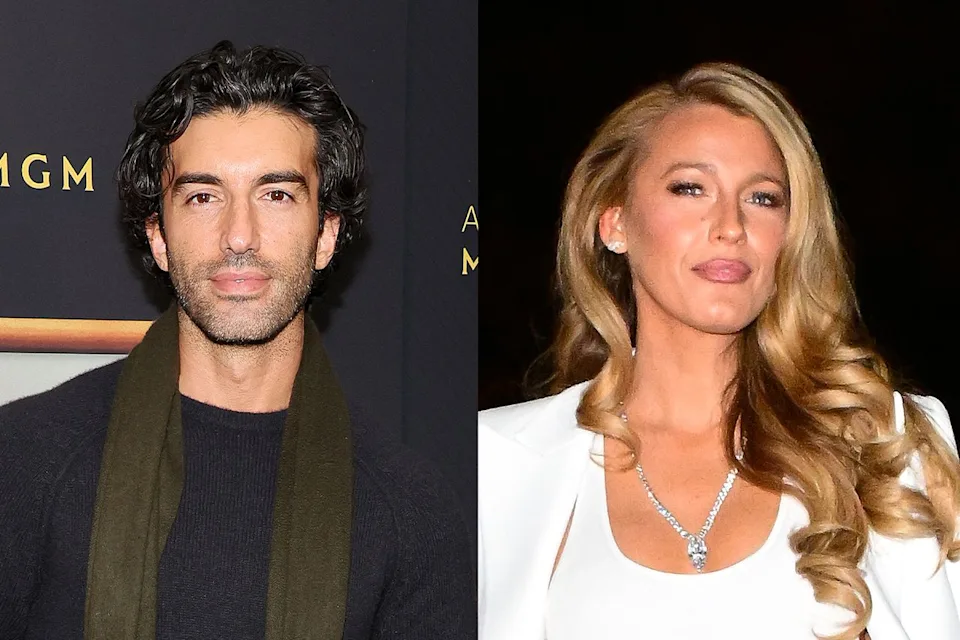
Lively’s legal team had previously argued that the case carried broader implications about intimidation, retaliation, and workplace accountability. That framing spoke to a much bigger cultural conversation. One that extends beyond a single film set.
And yet, there’s a limitation in public discussion that bugs me a little. Actually, more than a little. Too many readers get pushed into choosing a hero and a villain before they’ve understood what was alleged, what was dismissed, and what was merely shouted online.
Those are not the same thing. Not even close.
The film itself made more than $350 million worldwide, according to widely cited box office reporting. So yes, commercial success stayed alive while the dispute unfolded. Which is strange, frankly. A movie about domestic violence awareness becoming attached to allegations, counterclaims, and PR warfare is the kind of irony that makes Hollywood look incapable of reading the room.
Which brings up something I probably should have mentioned earlier—big box office often hardens every side. When a project earns that much money, the reputational stakes get absurdly high. People protect brands. People protect names. Sometimes they protect narratives first.
What “injustice” means here depends on who you ask
This is where the AOL-style headline gets sticky. “Injustice” is emotionally forceful. It also isn’t a neutral legal category.
For Justin and Emily, injustice appears to mean being publicly accused, socially condemned, and emotionally battered while waiting for the legal process to finish. For Lively’s side, the injustice argument has looked very different: concern about retaliation, public pressure, and legal tactics.
Both sides used moral language. That’s common in celebrity disputes now. The courtroom handles claims. Public statements handle meaning.
That said—there’s a weakness in the Baldonis’ approach too. Their video was heartfelt, but still broad. They did not unpack specific disputed points in detail. That may be wise legally. It also leaves doubters room to say, “You expressed pain, but you didn’t answer enough.” So the statement helped emotionally. It did not resolve every practical question.
The human piece is what people will remember
For all the paperwork, most readers won’t remember motion numbers or filing dates. They’ll remember faces. Tone. Phrases. The wobble in someone’s voice.
Justin said everything stripped away left family, friends, community, and faith. Emily said there’s more to say, but not yet. Those lines weren’t explosive. They were intimate. Smaller. Maybe that was the point.
I could be wrong here, but this felt less like a comeback and more like a boundary marker. As in: we’re speaking now, but only this much.
That can frustrate readers. Fair enough. People want a full account. They want receipts. They want certainty, preferably by dinner. But real disputes rarely give that. They give partial documents, strategic statements, and emotional debris.
So what should readers take from this now?
A few things.
First, Justin and Emily Baldoni are trying to reclaim the narrative in human terms, not just legal ones.
Second, the statement does not erase the seriousness of Blake Lively’s earlier allegations or the broader issues her side raised.
Third, the settlement may have reduced legal exposure, but it did not magically clear the reputational air for anyone involved.
And fourth, healing talk is not empty by default. Sometimes it’s just what people say after a prolonged public crisis because regular language has stopped working.
That may sound soft. It isn’t. Public scandal can flatten people. Careers too. Families especially.
So yes, the couple broke their silence. But the bigger story is what that silence had been doing all along: holding pressure, absorbing speculation, and waiting for a moment they believed would do less harm than another round of noise.
Not closure, exactly.
Something quieter than that.
