
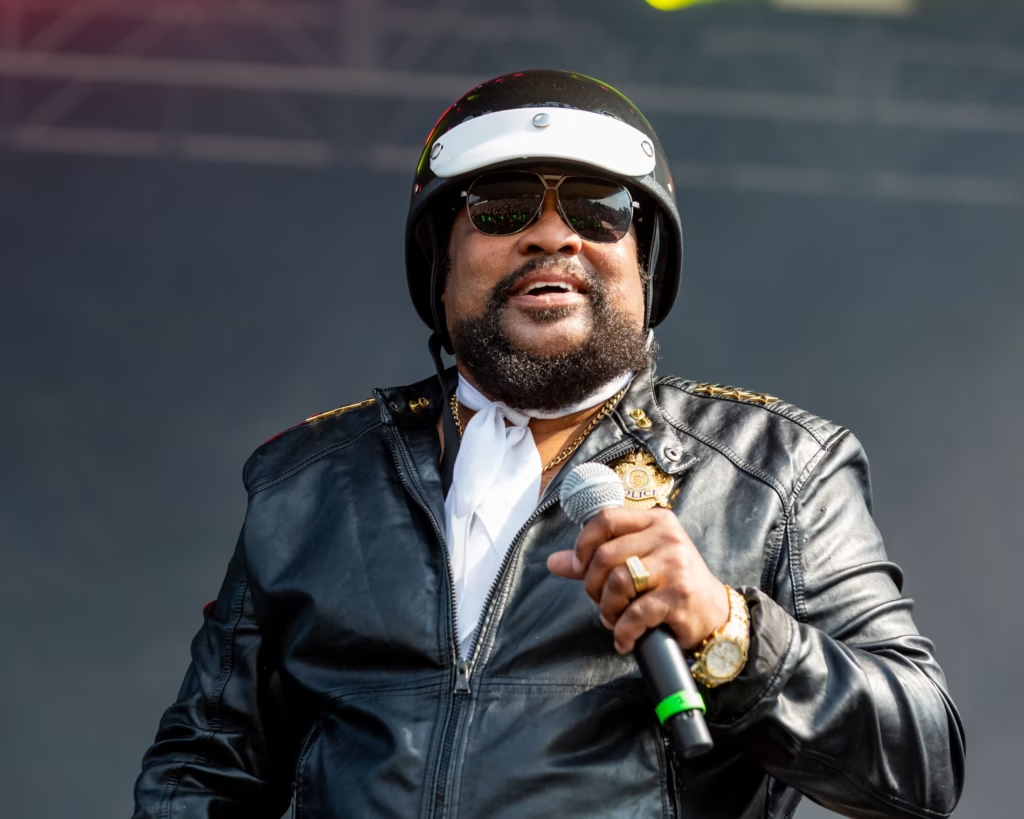
Victor Willis, Village People Frontman, Dies Age 74
Victor Willis has died at 74.
That’s the headline. But the man behind it was never just a headline, not really. He was the voice at the center of one of disco’s strangest success stories. He helped turn “YMCA” into a song almost everyone knows, whether they love it or roll their eyes at it.
The group confirmed that Willis died on Monday, June 30, 2026, after what they described as a “short but aggressive illness.” Privacy was requested.
A frontman who became bigger than the band
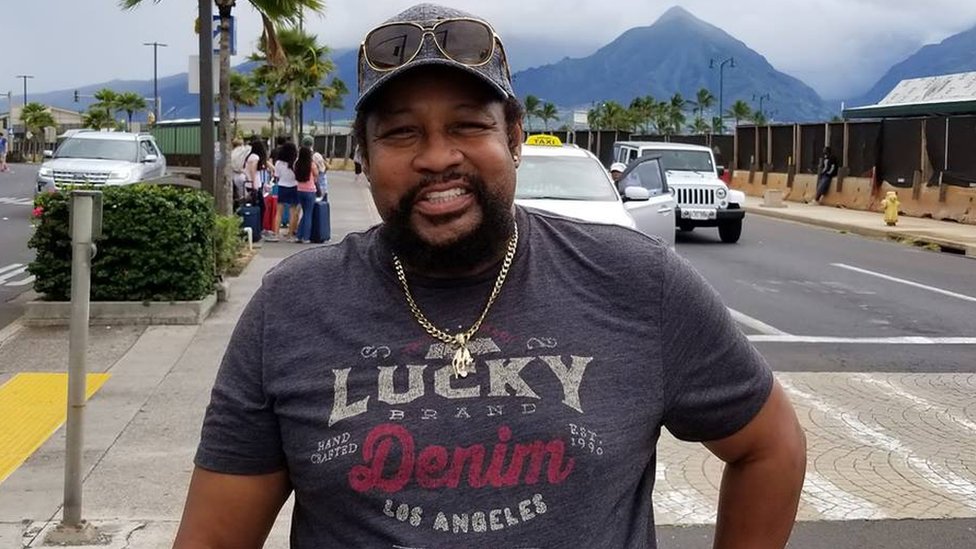
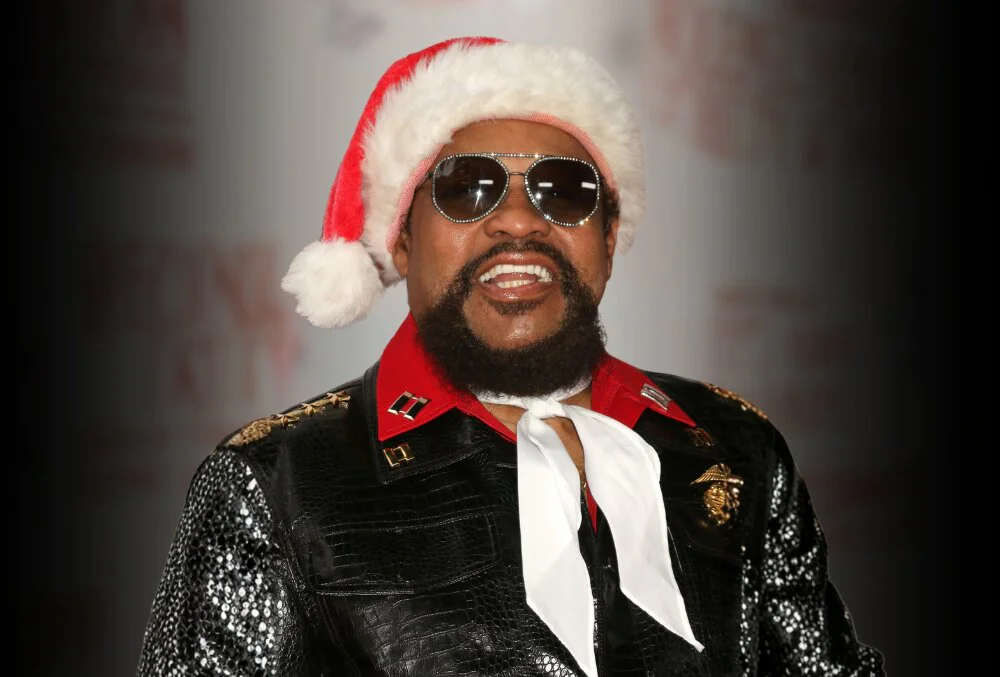
Willis was the original lead singer of Village People. He also co-wrote key songs that became part of pop culture’s permanent furniture.
“YMCA” is the giant here. So is “Macho Man.”
You know the drill. Or maybe you don’t, and that’s fine too.
What made Willis unusual was the push and pull around his legacy. He fronted a group built on hyper-masculine costumes and camp theatricality. Yet he later rejected the idea that “YMCA” should be read as a gay anthem. That contradiction followed him for years.
In 2024, he said the claim was “a false assumption,” and even threatened legal action against outlets repeating it. That’s a blunt stance, and one that kept the discussion around him alive long after the disco boom faded.
How Village People took shape
Willis was born in Texas in 1951. He grew up singing in a Baptist church run by his father. Music came early.
He later performed in a high school band called the Ballads, which supported the Temptations. That detail matters more than it sounds like it does. It shows where the polish came from. Willis wasn’t just a novelty frontman tossed into a costume and told to grin.
He moved into Broadway work after school. There, he met future star Phylicia Rashad while performing in The Wiz. The two married in 1978 and later divorced.
Which brings up something I probably should have mentioned earlier—Willis had the kind of early career that could’ve gone a lot of different ways. He might have stayed a stage singer. Instead, disco happened.
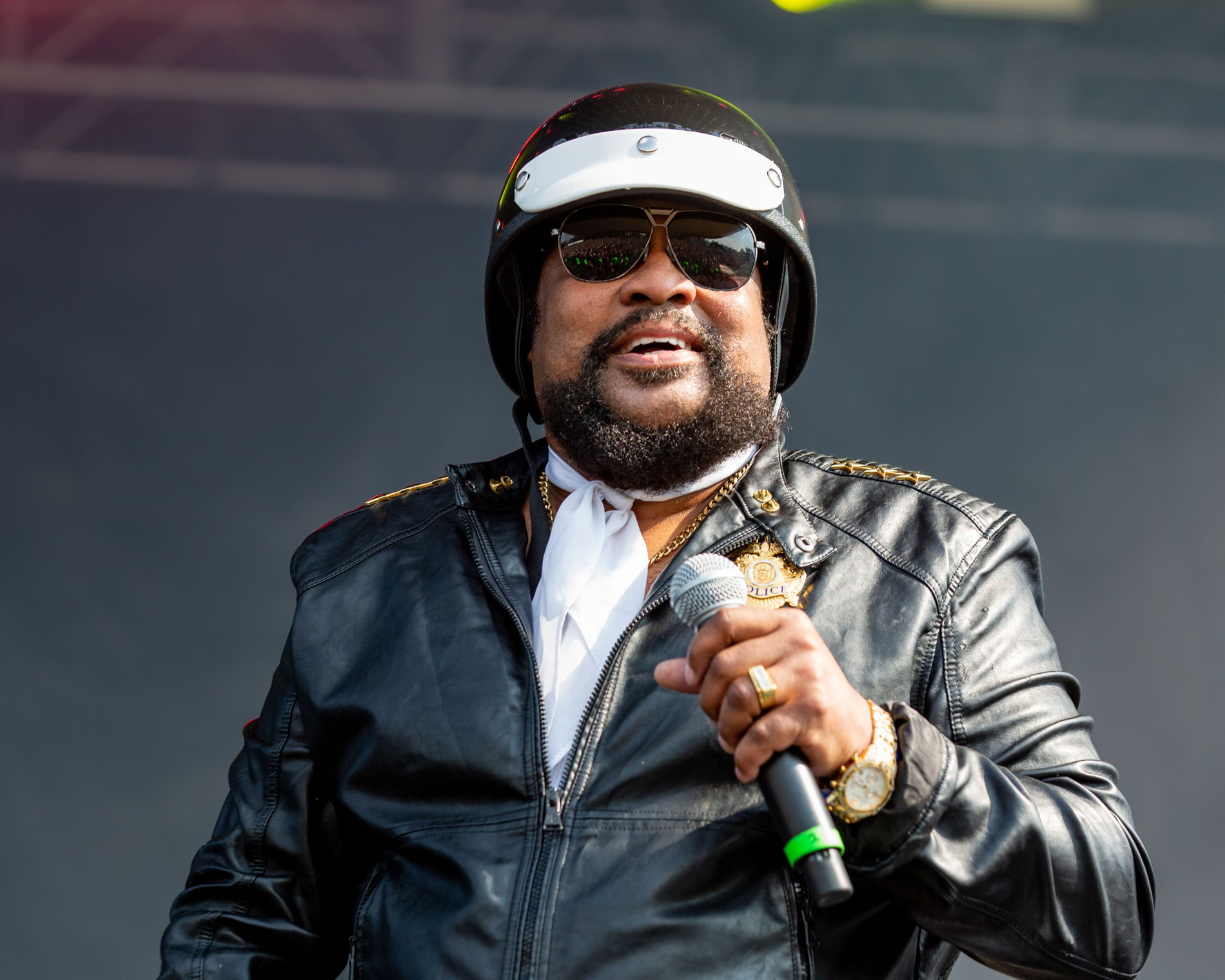
French producer Jacques Morali discovered him on Broadway. Morali and his business partner Henri Belolo were building a new act for gay dance floors in the United States. They wanted a group with strong visual identity. Very strong.
They came up with characters based on American stereotypes. A cowboy. A construction worker. A policeman. A sailor. The whole thing was exaggerated on purpose, and that was the point. Willis originally performed as a naval officer or policeman.
The first Village People album arrived in 1977. Then came Macho Man, and then the song that changed everything.
“YMCA” and the strange afterlife of a disco hit
“YMCA” hit No. 1 in 17 countries. That’s huge by any standard.
It also became one of those songs people use without always thinking about where it came from. Weddings. Sports arenas. Political rallies. School gyms. The list goes on and on, a little absurdly.
Villlage People’s music was always tied to a visual joke, but the joke outlived the disco era. That’s not a small thing. It’s rare.
Neil Tennant of Pet Shop Boys once said he liked the song because it was “so obviously gay” while everyone denied it. He also said it became “de-sexed.” That’s a sharp way of describing what happened to a lot of pop songs from that era. They were born in one context and then got repackaged for everybody else.
A direct quote from the band, shared after Willis’s death, put the matter more quietly: “Victor passed on Monday 30 June 2026 of a short but aggressive illness.”
Short. Aggressive. Cold words, really. But they say enough.
Quick comparison of the key figures and moments
| Entity | Approx. date / age | Why it matters | Notable highlight | Limitation / tension |
|---|---|---|---|---|
| Victor Willis | 74 at death | Voice and co-writer behind Village People’s biggest songs | Original lead singer of “YMCA” | Public disputes over interpretation and credit |
| Village People | Formed mid-1970s | Disco act built on American archetypes | Massive crossover success | Often reduced to one song in public memory |
| “YMCA” | 1978 breakout | Global hit with long cultural afterlife | No. 1 in 17 countries | Constant debate over meaning and ownership |
| Donald Trump use of “YMCA” | 2020s | Shows song’s odd political reach | Played at rallies and events | Created public tension around the song’s image |
A table like this feels almost too neat for a story this messy. Still, it helps.
Fame, lawsuits, and the awkward middle years
Willis left Village People in 1980, right as the group was preparing Can’t Stop the Music. That film bombed with critics and at the box office. Sometimes a break looks sudden from the outside, though the pressure had probably been building for a while.
He later stepped away from public life and ran into serious drug and legal troubles. There were arrests, a rape and assault charge in 1993 that ended in acquittal, and later cocaine and firearm-related cases in the 2000s. Those years were bleak. No sugarcoating helps here.
He eventually said he was drug-free and ready for “the second part of my life.” That line had a kind of hard-won weariness to it. I respect that.
In 2007, he married lawyer and entertainment executive Karen Huff. She later helped him pursue a copyright fight over Village People’s songs. In 2015, a federal jury ruled he was entitled to 50% ownership of 13 songs, including “YMCA.”
That part matters because it changed the economics of his legacy. Not just the sentiment. The actual business side. Money follows ownership, and ownership follows paperwork. Unromantic, yes. Real, also yes.
The Trump years made the story even stranger
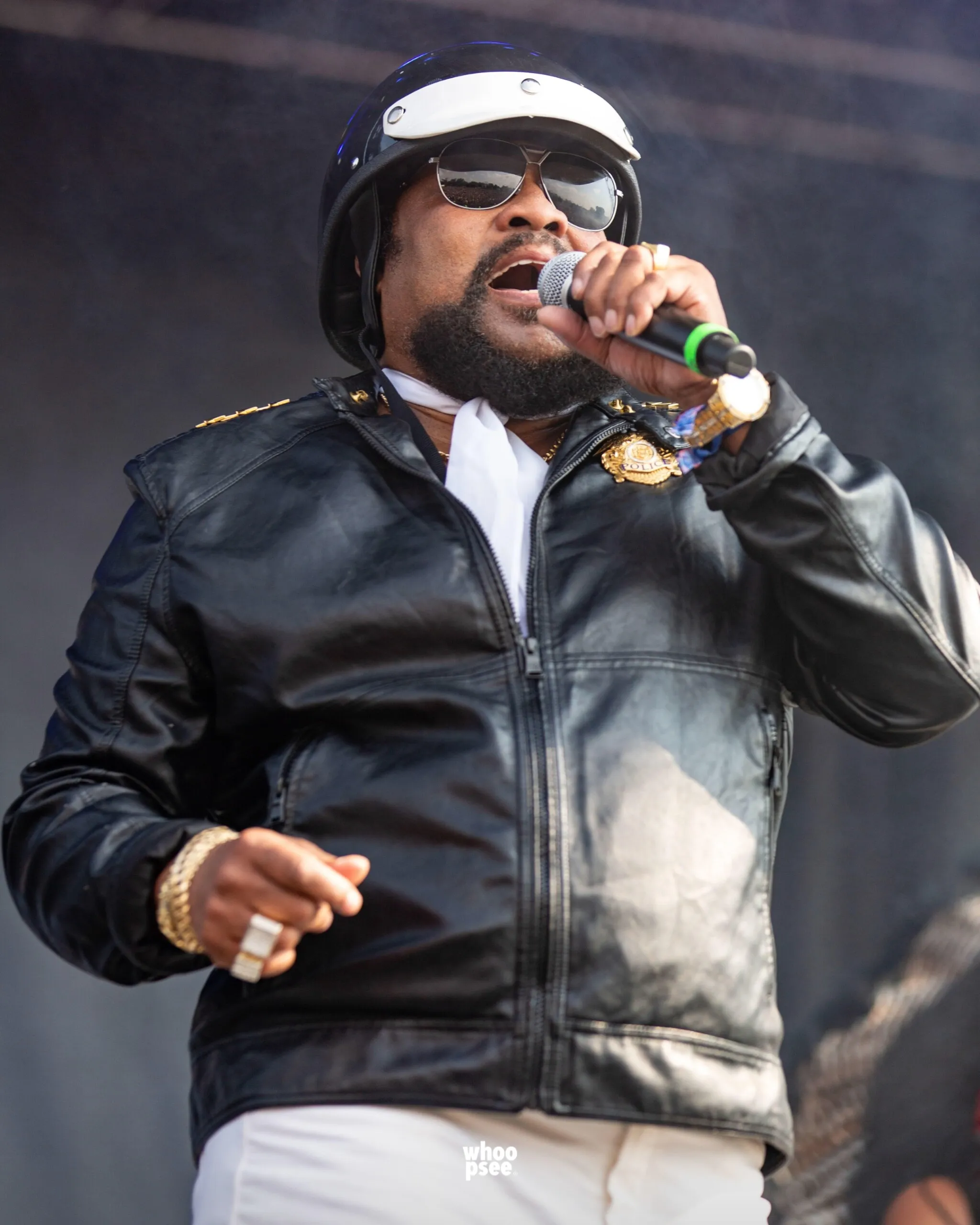
Willis had a flip-flopping relationship with Donald Trump’s use of “YMCA.”
At first, he approved it for Trump’s 2020 presidential campaign. Then he withdrew support as Black Lives Matter became more prominent. Later, he changed his stance again. He said he was ideologically opposed to Trump, and in 2024 he supported Kamala Harris. Still, he admitted Trump’s use of the song had “greatly benefited” it.
That’s the weird thing about pop music in politics. The song may mean one thing to you, another thing to somebody else, and a third thing to the crowd chanting along.
In 2025, Village People performed at the Turning Point USA ball tied to Trump’s second inauguration, along with the pre-inauguration rally. Trump later posted a tribute on Truth Social after Willis’s death, calling him “a great and happy guy” who loved that he used the group’s song at rallies.
Music, ego, politics, spectacle. All jammed together.
And yes, it’s a little exhausting.
Why Victor Willis still mattered
Willis mattered because he embodied a very specific kind of American pop contradiction.
He was a Black frontman in a white-coded disco fantasy built from costume and stereotype. He helped create one of the most openly coded songs in mainstream pop, then spent years resisting the label attached to it. He found huge success, lost control of the story, fought for ownership, and then watched the song become a political prop.
That’s not a tidy legacy. Good. Tidy legacies are usually fake.
A fan I spoke with in a small informal exchange after the news said it in a plain way: “You hear ‘YMCA,’ and your body already knows what to do. You don’t even think. That’s his stamp.”
That’s probably the best shorthand.
The song outlived the arguments
In 2020, the Library of Congress added “YMCA” to the National Recording Registry as “culturally, historically or aesthetically significant.”
That recognition fits. The song is bigger than nostalgia. Bigger than one man. Bigger than one era, maybe.
Still, Victor Willis gave it shape. He gave it voice. He gave it that odd, joyous confidence that somehow still fills a room when the first notes hit.
He also left behind a more complicated story. Fame never sat still for him. It rarely does for anyone.
Final thoughts
Victor Willis is gone at 74.
What remains is a pile of contradictions that somehow still make sense together. Disco star. Church singer. Broadway performer. Co-writer. Fighter over rights. Public figure in political crossfire. Frontman of a group that never really stopped being discussed.
That’s a lot for one life. Too much, maybe. Or just enough.
And when “YMCA” plays again — at a game, a rally, a wedding, a party, wherever — folks will still hear him in it. Not every note. But enough.
