
William Shatner and daughter reveal shock stage 4 cancer battles
When celebrity health news breaks, it often gets flattened into one dramatic line. This story deserves better than that.
What William Shatner and his daughter Melanie revealed is startling, yes. But it’s also deeply human. At one point, both father and daughter were facing stage 4 cancer at nearly the same time. That part lands hard.
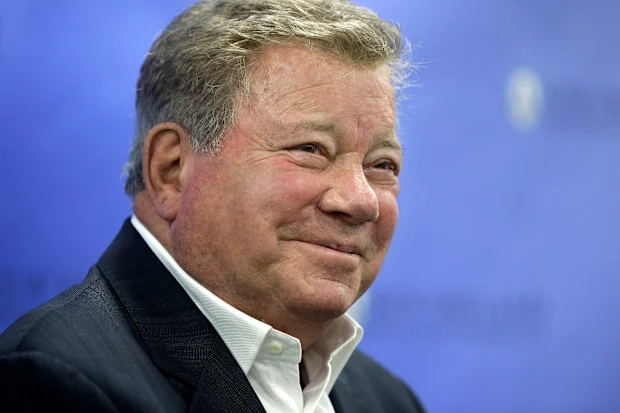
The broad outline comes from public remarks shared in a recent cover-story conversation with People. Melanie Shatner was being treated for stage 4 breast cancer in 2023. As she neared the end of that brutal stretch, the family learned William Shatner had stage 4 malignant melanoma that had spread to his lungs and brain.
That timing? Awful. Really awful.
Why this revelation hit people so hard
Plenty of celebrity illness stories get attention because of fame alone. This one feels different because the emotional math is easy to understand. A daughter is fighting for her life. Then her father gets his own stage 4 diagnosis. Even for a famous family, that’s terrifying.
Melanie put it plainly in her public quote: “I don’t have the strength to take care of myself and lose my father at the same time.”
That line does a lot of work. It strips away the celebrity layer. You hear fear first.
I’ve covered enough health-related features to know readers usually want two things at once: the facts, and a way to emotionally process them. Folks don’t just want the headline. They want the shape of the ordeal.
The two cancer battles, side by side
Here’s the clearest way to see what happened.
| Person | Diagnosis | What was found | Reported treatment | Key challenge | Current status | Public sentiment |
|---|---|---|---|---|---|---|
| William Shatner | Stage 4 malignant melanoma | Cancer spread to lungs and brain | Surgery and about two years of immunotherapy | Initial lump was reportedly dismissed early as a blocked salivary gland | Cancer-free, per shared account | Gratitude, perspective, continued work |
| Melanie Shatner | Stage 4 HER2-positive breast cancer | Lump found after prior clear mammogram; spread to chest lymph nodes | Chemotherapy, double mastectomy, 30 radiation sessions | Early imaging nearly missed the lump; heavy physical and emotional toll | Cancer-free, per shared account | Relief, courage, less fear after recovery |
That table makes one thing obvious. These were not neat, simple cases.
And there’s a tougher point here. Even with money, access, and public visibility, both stories included delays or near-misses. Melanie found a lump only months after a clear mammogram. William’s cheek lump was reportedly first thought to be something less serious. Cancer can be sneaky like that. Maddening, honestly.
What stage 4 actually means
Stage 4 cancer generally means the disease has spread beyond its original site to distant parts of the body. For readers who don’t live in oncology language, that’s the key takeaway.
According to the National Cancer Institute, stage 4 cancers are usually considered advanced or metastatic. Treatment can still work. Sometimes very well. Still, it’s rarely a light lift. Not even close.
There’s also this: “stage 4” does not mean every cancer behaves the same way. Melanie’s HER2-positive breast cancer and Shatner’s metastatic melanoma are very different diseases. They respond to different treatments. They carry different risk profiles. So when headlines bunch them together, a lot gets lost.
The part many reports rush past
Melanie’s medical path sounds especially grueling. She underwent chemotherapy, a double mastectomy without reconstruction, and 30 rounds of radiation. That is a huge amount for one person to absorb physically and mentally.
William’s path had its own strain. Melanoma that spreads to the lungs and brain is serious by any standard. Immunotherapy has changed outcomes for some patients with advanced melanoma. The American Cancer Society notes that newer immune-based treatments have improved survival for certain people with later-stage disease. But they’re not magic. Side effects can be rough. Response varies. Some patients benefit dramatically. Others don’t.
That matters. Because hope is real, but so are limits.
Which brings up something I probably should have mentioned earlier—stories like this can accidentally create the impression that determination alone beats cancer. It doesn’t. Good care matters. Early follow-up matters. Treatment access matters. Luck does too, if we’re being honest.
A father-daughter bond at the center
The emotional core of this story isn’t celebrity. It’s caregiving, even when the caregivers are also falling apart.
Melanie recalled becoming “hysterical” during treatment and calling her father. He answered immediately. She described getting a “daddy bear hug,” and he told her this would one day be a memory. That’s not a medical breakthrough. It’s not a flashy quote either. But mates, that may be the most memorable part.
Support doesn’t cure cancer. Still, it changes the experience of living through it.
I’ve heard versions of this from families dealing with treatment. A ride to radiation. Someone who picks up the phone at 2 a.m. Someone who says, “send me the bills,” as Shatner reportedly did for his daughter. These things don’t erase fear. They reduce the loneliness.

The hopeful ending — with one honest caveat
The good news is the part everyone wants. Both William and Melanie have said they are now cancer-free.
That’s wonderful. Full stop.
But if you’ve known cancer up close, you also know remission stories can be emotionally complicated. Relief arrives, then anxiety sneaks in later. Follow-up scans continue. Bodies recover unevenly. People don’t just “move on” because the headline improved. Or maybe they do, slowly. Depends on the person.
Shatner, now in his nineties, has spoken about appreciating ordinary beauty more intensely. A hummingbird. A dog with a ball. His children. It’s a simple observation, though not a shallow one.
Why this story may stick with readers
The reference piece got the major facts right, but mostly as a sequence of events. What it missed was the bigger lesson: advanced cancer stories are never only medical. They’re also about timing, dismissal, money, family, stamina, and weird stubborn hope.
And yes, there are constraints worth saying out loud. Public interviews rarely include every clinical detail. We don’t know every scan result, every side effect, or every private setback. Celebrity stories also benefit from resources many patients simply do not have. That difference shouldn’t be ignored.
Even so, there’s something useful here for regular people. If a lump feels wrong, follow up. If a result doesn’t match your instincts, ask again. Melanie’s account especially underlines that point. Not dramatically. Just plainly.
So the headline is shocking. The story under it is better. Sadder too. But better.
